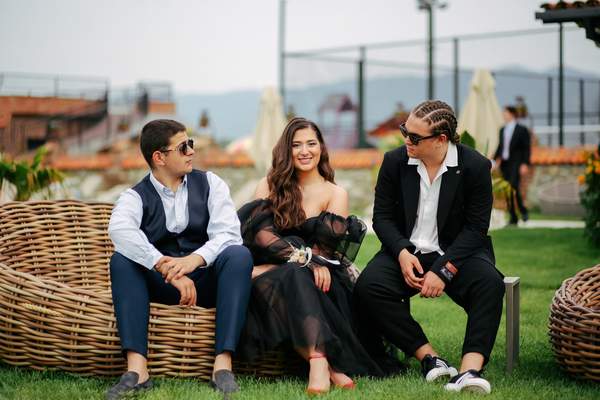
Semi-formal wedding guest attire sounds straightforward until you stand in front of your closet. Is a cocktail dress too dressy? Do you need a tie? Could a linen suit work? The answer is usually somewhere between a polished dinner outfit and traditional formalwear. You want to look as though you dressed for a celebration, without arriving in a tuxedo or evening gown the couple never requested.
What Does Semi-Formal Mean for a Wedding?
A semi formal wedding dress code sits above everyday casual clothing but below formal and black-tie attire. Think tailored pieces, refined fabrics, neat shoes, and a put-together silhouette. A midi dress, elegant jumpsuit, coordinated separates, or suit without tuxedo styling can all fit comfortably.
Semi-formal and cocktail are related, but not identical. Cocktail attire generally leans a little more dressed-up, particularly for evening events. A wedding cocktail dress with noticeable embellishment might feel right at a downtown hotel reception, while a simple wrap dress may suit a semi-formal garden ceremony better. Neither label has one universal uniform, so the invitation’s context matters more than a rigid rule.
Read the Invitation Before Choosing an Outfit
Consider the venue
A rooftop restaurant or historic ballroom usually calls for a sharper finish than a vineyard lawn or waterfront patio. For an upscale indoor setting, lean toward structured tailoring, richer fabrics, and polished accessories. For an outdoor ceremony, softer fabrics and practical footwear make sense without lowering the standard of dress.
Check the time of day
Daytime celebrations commonly invite lighter colors, understated patterns, and breathable fabrics. Evening events tend to favor deeper shades, sleeker silhouettes, and slightly dressier accessories. These are useful conventions, not restrictions: a navy suit can work in daylight, and a colorful dress can look excellent after sunset.
Look for couple-specific guidance
The wedding website may specify a color palette, cultural dress expectations, or a request for comfortable shoes. Follow that guidance first. If the invitation says only “semi-formal,” aim for an elevated outfit you could wear to a special dinner. A broader wedding guest dress codes guide can help when an invitation uses multiple terms.
Semi-Formal Dresses, Jumpsuits, and Separates
A knee-length or midi dress is an easy starting point. Wrap, A-line, slip, and tailored sheath styles all work when the fabric and finishing look intentional. Satin, crepe, chiffon, and refined knits can create a dressy effect, while a crisp cotton blend may work for a relaxed daytime venue if the styling is polished.
You do not need a dress. A well-cut jumpsuit with a defined waist, a matching pantsuit, or tailored wide-leg trousers with a dressy blouse can make an equally convincing semi formal guest outfit. Fit matters: clothing that pulls, drags, or needs constant adjustment feels less elegant no matter how expensive it is.
A full-length dress is not automatically wrong, but avoid anything that resembles a gala gown. Choose a simple, fluid silhouette rather than heavy beading, a dramatic train, or elaborate eveningwear. Unless the couple explicitly encourages it, skip white, ivory, and bridal-looking ensembles; be cautious with very pale shades that may photograph white.
Suits and Tailored Outfits Without a Tuxedo
For guests who prefer suiting, a navy, charcoal, medium-gray, or suitably tailored tan suit is a reliable choice. Pair it with a clean button-down shirt and leather dress shoes or refined loafers. A tie is a safe addition, especially for evening weddings or more traditional venues, but some relaxed daytime semi-formal events allow an open collar.
A blazer with coordinated dress trousers can also work, provided the fabrics and colors look deliberate rather than thrown together. For example, a navy blazer, light-gray trousers, pale-blue shirt, and brown loafers feel wedding-ready without becoming overly formal. If you’re uncertain, a matching suit is the simpler option.
Leave the tuxedo, jeans, graphic shirts, and distressed footwear at home. A polo and chinos may be fine at certain casual celebrations, but they are generally a risk when the invitation specifically asks for semi-formal clothing.
Build the Look Around the Season
For spring and summer, breathable linen blends, lightweight wool, soft florals, and muted or bright colors can look appropriate. Linen is naturally prone to wrinkles, so choose a well-tailored piece and accept a little relaxed texture rather than an excessively rumpled appearance.
For fall and winter, try deeper greens, burgundy, navy, or warm neutrals in crepe, wool blends, or subtle velvet accents. Weather changes your layering and shoe choices, not the basic expectation of looking dressed for the occasion. A tailored coat over an elegant outfit is better than relying on bulky casual outerwear throughout the event.
Shoes and Accessories That Finish the Outfit
Footwear can make an otherwise suitable outfit feel too casual. Block heels, elegant flats, dressy low sandals, loafers, oxfords, and derbies are useful options depending on the setting. Heels are not mandatory; clean lines and intentional styling matter more than height.
Think practically about the ground beneath your feet. Thin stilettos may sink into a lawn, while slippery dress soles can be awkward on stone paths. A block heel or dressy flat solves the problem without sacrificing polish.
Two Outfit Decisions Made Simple
Imagine a 3 p.m. summer wedding at a vineyard, followed by an outdoor dinner. A sage midi dress with block-heel sandals and delicate jewelry fits the atmosphere. So does a light-gray suit with a white shirt and brown loafers. Both outfits feel festive while remaining comfortable on grass and in warm weather.
Now picture a 6 p.m. reception at an upscale city restaurant. A dark-blue tailored jumpsuit, metallic low heels, and a compact clutch would work well. So would a charcoal suit, crisp shirt, tie, and polished shoes. The dress code has not changed; the setting has simply shifted the styling toward evening.
Frequently Asked Questions
Is semi-formal the same as cocktail attire?
Not exactly. Cocktail usually sits slightly above semi-formal in dressiness, though the two overlap. Semi-formal often favors quieter details and greater flexibility, especially at daytime weddings.
Can I wear a maxi dress to a semi-formal wedding?
Yes, if its fabric and styling feel relaxed and refined rather than like a formal evening gown. A simple printed maxi may suit an outdoor wedding; a heavily embellished gown may not.
Do men need to wear a tie?
A tie is a dependable choice and may be expected at more traditional venues. For some daytime or relaxed semi-formal weddings, a well-styled open collar is acceptable. When in doubt, bring a tie.
Are sneakers or jeans appropriate?
Usually not. Even expensive sneakers or dark jeans can read too casual for the requested dress code. Choose dress trousers and polished footwear unless the couple explicitly gives more relaxed instructions.
The Takeaway
Successful semi-formal wedding guest attire is less about buying something extravagant and more about balancing polish with the occasion. Start with a tailored dress, jumpsuit, separates, or suit; then let the venue, time, and weather guide the fabric, color, and accessories. If the outfit feels celebratory, comfortable, and respectful of the couple’s request, you’ve probably found the right balance. For another comparison before your next invitation arrives, explore a wedding cocktail attire guide.