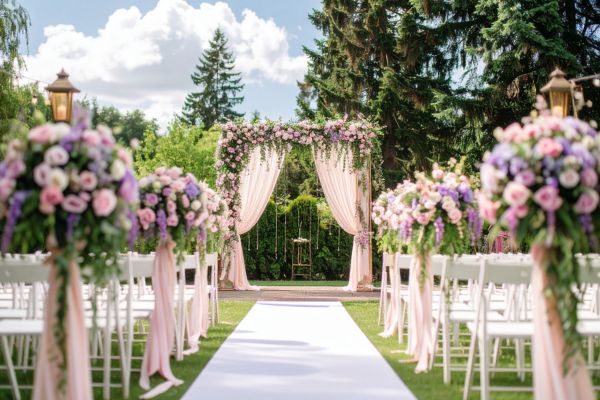
There’s a quiet moment before a wedding ceremony begins when guests settle into their seats, glance around the room, and take in the atmosphere. Often, the first thing they pick up is the wedding order of service. It may seem like a small detail, but it plays a surprisingly meaningful role. It sets expectations, explains what’s about to happen, and gives everyone a sense of inclusion in the ceremony itself.
If you’re wondering how to create a wedding order of service that feels thoughtful, personal, and genuinely useful, you’re not alone. Many couples leave this task until late in the planning process, only to realize it deserves more care than expected. The good news is that once you understand its purpose and structure, creating one becomes far less intimidating and even, dare we say, enjoyable.
Understanding the Purpose of a Wedding Order of Service
Before you start writing anything, it helps to understand what a wedding order of service is really for. At its core, it’s a guide. It gently walks guests through the ceremony, especially those who may not be familiar with certain traditions, readings, or rituals. It reassures them that they’re part of the moment, not just observers.
Beyond practicality, the order of service often becomes a keepsake. Long after the flowers have faded and the cake has been eaten, many couples tuck a copy into a memory box. That’s why tone matters. It should reflect the spirit of your day, whether that’s formal and traditional, relaxed and modern, or something in between.
Deciding the Tone and Style of Your Ceremony Guide
Every wedding has its own personality, and your order of service should quietly echo it. A formal religious ceremony might call for classic language and a restrained design, while a garden wedding could lean toward warmth and simplicity. There’s no universal rule here, only alignment.
Think about how you want guests to feel as they read it. Calm? Curious? Comforted? A gentle, welcoming tone usually works well, even in more traditional settings. This isn’t the place for flowery prose or stiff formality unless it truly suits you. When people talk about how to create a wedding order of service that feels authentic, they’re really talking about honesty in tone.
Choosing What to Include in the Order of Service
One of the most common questions couples ask is what actually belongs in a wedding order of service. While there’s flexibility, most follow a familiar rhythm. You’ll want to include the names of the couple, the date, and the location of the ceremony. From there, the focus shifts to the flow of events.
Ceremonial elements such as the processional, readings, vows, and recessional are usually listed in the order they occur. If there are cultural or religious rituals that guests may not recognize, a brief line of explanation can be helpful. The key is clarity without overload. Guests should be able to glance down and instantly understand where they are in the ceremony.
Acknowledgments are another thoughtful addition. Many couples choose to honor family members, remember loved ones who have passed, or thank those who played a role in the ceremony. These lines often carry emotional weight, so less is more. A few carefully chosen words tend to resonate far more than a long paragraph.
Writing the Content in a Natural, Human Voice
This is where many people stumble. They worry about sounding “right,” which can lead to language that feels stiff or overly formal. In reality, the best orders of service are written plainly and warmly. Imagine you’re explaining the ceremony to a friend who’s never attended a wedding like yours before.
Use complete sentences where needed, but don’t be afraid of fragments if they feel natural. Varying sentence length helps the text breathe. Short lines can feel intentional and calm, while longer ones can carry meaning or explanation. This balance keeps the writing from feeling mechanical.
When using the phrase how to create a wedding order of service within your content, let it appear naturally, as part of the broader conversation rather than a forced insertion. Readers sense when language flows honestly, and that’s what keeps them engaged.
Structuring the Layout for Easy Reading
Design may seem secondary to words, but layout plays a quiet yet powerful role. A well-structured order of service is easy on the eyes and intuitive to follow. Headings or section breaks can gently guide readers through the ceremony without distracting them.
Spacing matters more than many realize. Crowded text can feel overwhelming, especially in a quiet, reflective setting. White space allows the page to breathe and gives each part of the ceremony its own moment. Fonts should be legible and appropriate to the overall aesthetic of the wedding, but clarity should always come before decoration.
Remember that guests will likely be reading this in varied lighting conditions, from dim churches to sunlit outdoor venues. Simplicity almost always wins.
Coordinating the Order of Service With the Ceremony Itself
Accuracy is essential. An order of service that doesn’t match the actual ceremony can cause confusion, even if only briefly. Before finalizing anything, confirm the sequence with your officiant and anyone else involved in planning the ceremony.
Rehearsals are a great opportunity to double-check details. Sometimes ceremonies evolve slightly as the day approaches, and your printed guide should reflect those changes. Taking the time to align everything ensures that guests feel guided rather than puzzled.
This coordination also reinforces confidence. When guests know what’s happening next, they can relax and be fully present, which is exactly what you want.
Adding Personal Touches Without Overdoing It
Personalization is often where couples feel tempted to add everything at once. Quotes, poems, stories, and explanations can all be lovely, but too many elements can dilute their impact. Choose one or two personal touches that genuinely matter to you.
A short reflection on why a particular reading was chosen or a brief note about a shared value can add depth. These moments invite guests into your story without turning the order of service into a narrative essay. Subtlety here makes the experience feel intimate rather than performative.
Reviewing and Refining Before Printing
Once you’ve drafted your order of service, step away from it for a day if you can. Coming back with fresh eyes often reveals small tweaks that make a big difference. Read it aloud. Listen for awkward phrasing or sections that feel too heavy.
It can also help to ask someone you trust to read it, ideally someone who isn’t deeply involved in the planning. If they can follow the ceremony easily and feel welcomed by the tone, you’re on the right track. Refinement is less about perfection and more about clarity and warmth.
Reflecting on the Meaning Behind the Words
At its heart, a wedding order of service isn’t just a schedule. It’s a quiet companion to one of the most significant moments in your life. It holds the structure of the ceremony while subtly expressing who you are as a couple.
Learning how to create a wedding order of service is really about learning how to communicate care. Care for your guests, care for tradition, and care for the experience you’re creating together. When done thoughtfully, it fades into the background during the ceremony, yet remains meaningful long after.
A Thoughtful Ending to a Meaningful Process
Creating a wedding order of service may not be the most talked-about part of wedding planning, but it carries a quiet importance that’s easy to underestimate. It bridges the gap between intention and experience, guiding guests through each moment while reflecting the tone of the day.
By focusing on clarity, authenticity, and flow, you can create something that feels both useful and deeply personal. In the end, the best order of service doesn’t draw attention to itself. It simply does its job gracefully, allowing everyone present to focus on what truly matters: the commitment being made and the shared joy of witnessing it.