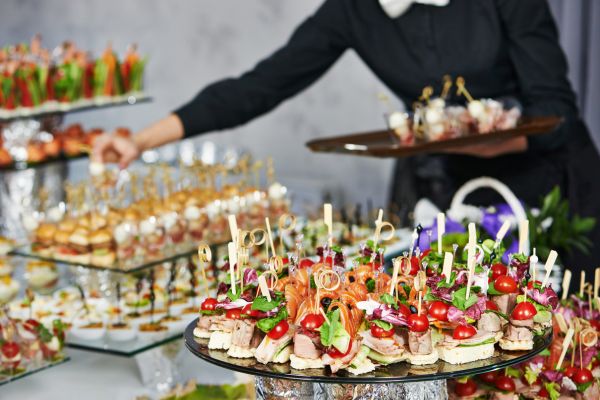
Food has a quiet way of becoming one of the most remembered parts of a wedding. Long after the flowers have been cleared away and the music has faded, guests often remember what they ate, how it was served, and how the meal made the evening feel. A wedding menu does not need to be extravagant to be memorable. It simply needs to feel thoughtful, balanced, and connected to the atmosphere of the day.
That is why exploring wedding catering menu ideas can be such an enjoyable part of planning. It is not only about choosing dishes. It is about shaping an experience. The right food can make a formal reception feel warmer, a casual celebration feel generous, and a simple gathering feel beautifully personal.
A good wedding menu should welcome guests in. It should offer comfort, surprise, and just enough variety without becoming confusing. Whether the reception is elegant, rustic, modern, cultural, or relaxed, the food should feel like it belongs to the occasion.
Why the Wedding Menu Matters So Much
A wedding reception has many moving parts, but the meal often creates the natural pause everyone needs. Guests sit down, talk, laugh, and settle into the celebration. In that moment, food becomes more than something served on a plate. It becomes part of the rhythm of the day.
A well-planned menu also helps guide the mood of the reception. A plated dinner can bring a sense of formality and calm. A buffet can feel relaxed and social. Food stations encourage movement and conversation. Family-style dining, with shared dishes placed in the center of each table, can make the evening feel intimate and lively.
The best menus are not always the most complicated ones. In fact, too many choices can make the meal feel scattered. A thoughtful menu usually has a clear direction. It may be seasonal, cultural, comfort-focused, elegant, or playful. Once that direction is clear, the food feels more natural.
Starting With the Style of the Wedding
Before choosing specific dishes, it helps to think about the overall feeling of the wedding. A garden wedding in spring may call for lighter flavors, fresh herbs, colorful salads, grilled vegetables, and delicate desserts. A winter reception may feel better with richer dishes, warm sauces, roasted meats, creamy sides, and cozy late-night bites.
The venue also matters. A countryside barn, beachside setting, hotel ballroom, private garden, or rooftop space can all suggest different food styles. A very formal venue may suit a classic three-course dinner, while an outdoor reception may feel better with grazing tables, barbecue-inspired dishes, or fresh Mediterranean-style plates.
Guest comfort should also be part of the decision. A menu can be creative without being difficult to eat. Wedding food is served in a social setting, often with people wearing formal clothes and moving between conversations. Dishes that are flavorful, attractive, and easy to enjoy usually work best.
Creative Starters That Set the Tone
The first bites of the reception often create the earliest impression of the meal. Starters do not need to be heavy. They should wake up the appetite and introduce the style of the menu.
For an elegant reception, small plates such as roasted tomato tartlets, smoked salmon bites, herbed chicken skewers, mini risotto cakes, or seasonal soup served in small cups can feel refined without being too formal. For a relaxed celebration, grazing boards with cheeses, fresh fruit, breads, olives, dips, and roasted vegetables can create a warm, welcoming atmosphere.
Couples who want a more personal touch might include starters inspired by family recipes or favorite foods. A small version of a traditional dish, a childhood comfort food, or a regional specialty can make the menu feel more meaningful. These little details often become conversation starters at the table.
Vegetarian and plant-based starters deserve proper attention too. Stuffed mushrooms, grilled halloumi, vegetable pakoras, bruschetta, falafel bites, mini caprese skewers, or roasted cauliflower with tahini can feel just as satisfying as meat or seafood options.
Main Course Ideas That Feel Generous
The main course is usually the heart of the wedding meal. It should feel generous, but not so heavy that guests lose energy before the dancing begins. Balance is key.
Classic options like roasted chicken, grilled fish, beef fillet, lamb, pasta, and risotto remain popular because they are familiar and adaptable. They can be dressed up with seasonal sauces, fresh herbs, colorful vegetables, and elegant sides. A simple dish prepared well often feels better than something overly complex.
For couples looking for more creative wedding catering menu ideas, themed mains can add personality. A Mediterranean-inspired menu might include lemon herb chicken, grilled vegetables, couscous, flatbreads, hummus, and fresh salads. A South Asian-inspired menu could feature fragrant rice, grilled meats, lentil dishes, spiced vegetables, and chutneys. A rustic menu might include slow-cooked meats, roasted potatoes, seasonal greens, and warm bread.
Food should also reflect the guests. If many people are adventurous eaters, bold flavors may work beautifully. If the crowd includes children, older relatives, or guests with simpler tastes, it is wise to include familiar choices alongside more creative dishes.
Buffet Menus That Encourage Choice
Buffets are often seen as casual, but they can be styled beautifully. A well-arranged buffet allows guests to choose what they enjoy while keeping the meal relaxed and social.
A balanced buffet might include one or two protein dishes, a vegetarian main, several sides, fresh salads, bread, and sauces. The food should work together rather than feel like unrelated items placed side by side. For example, a summer buffet could include grilled chicken, baked salmon, herbed potatoes, roasted vegetables, mixed greens, pasta salad, and fresh rolls. A winter buffet might include braised beef, creamy mushroom pasta, roasted root vegetables, warm grains, and rich seasonal salads.
Presentation makes a big difference. Different heights, fresh greenery, labeled dishes, and attractive serving platters can turn a buffet into a visual feature. Guests notice when the food area feels cared for.
Buffets also allow for dietary flexibility. Gluten-free, vegetarian, vegan, and dairy-free options can be included naturally, rather than appearing as an afterthought.
Food Stations for a More Interactive Reception
Food stations can bring energy to a reception, especially when the couple wants the meal to feel less traditional. Instead of everyone eating the same dish at the same time, guests move between stations and choose what appeals to them.
Popular options include pasta stations, taco bars, sushi counters, slider stations, salad bars, carving stations, noodle bowls, seafood displays, or build-your-own bowl concepts. These can be especially enjoyable at larger weddings because they reduce the feeling of waiting and encourage guests to mingle.
Interactive food does not have to feel casual. A beautifully styled risotto station, fresh oyster bar, artisan bread and cheese table, or dessert station can feel sophisticated while still being fun.
The key is flow. Stations should be easy to access, clearly arranged, and spaced well enough that guests do not gather in one crowded area. A good station menu gives variety without turning the reception into a food court.
Family-Style Dining for Warmth and Connection
Family-style dining has become a favorite for couples who want the reception to feel intimate and relaxed. Large platters are placed on each table, and guests serve themselves while sharing dishes. It creates conversation almost automatically.
This style works especially well with roasted meats, fresh salads, pasta dishes, grilled vegetables, breads, dips, and shared desserts. It feels generous and comfortable, almost like a special dinner at home, only dressed up for the occasion.
There is something charming about guests passing plates and helping one another. It softens the formality of the event and brings people together. For weddings where community and closeness matter, family-style catering can be a beautiful choice.
The only thing to consider is table space. Shared platters need room, especially if the table also has floral arrangements, candles, glassware, and place settings. Keeping the table design practical helps the meal feel smooth.
Late-Night Food Guests Will Love
After hours of dancing, many guests appreciate a small second round of food. Late-night snacks do not need to match the formality of dinner. In fact, they are often better when they feel playful and comforting.
Mini burgers, fries, pizza slices, grilled cheese bites, tacos, warm pretzels, kebabs, noodle cups, or breakfast-style snacks can be a fun surprise. Sweet options like doughnuts, cookies, churros, hot chocolate, or mini waffles can also work well.
Late-night food adds a relaxed ending to the celebration. It gives guests a boost, especially if the reception continues late into the evening. These snacks often become some of the most talked-about parts of the menu because they arrive when everyone is already in a good mood.
Desserts Beyond the Traditional Cake
Wedding cake is still a classic, but many couples now like to include additional dessert options. A dessert table can offer variety while keeping the cake as the centerpiece. Mini cheesecakes, fruit tarts, brownies, macarons, cupcakes, cookies, mousse cups, or traditional sweets can give guests more choice.
Seasonal desserts are especially lovely. Summer weddings can include berries, lemon flavors, pavlova, sorbet, or fruit-based treats. Autumn and winter weddings can lean into chocolate, caramel, cinnamon, apple, pear, or warm puddings.
Cultural desserts can also make the menu feel more personal. Including sweets connected to family background or tradition adds meaning without needing a long explanation. Guests often enjoy discovering something new, especially when it is served beautifully.
Making the Menu Feel Personal
The most memorable wedding menus usually include a personal detail. It might be a dish from the couple’s first date, a flavor from a favorite trip, a family recipe, or a late-night snack they both love. These touches do not have to dominate the entire meal. Even one or two personal choices can make the menu feel more connected to the couple.
Personalization also comes through in naming, presentation, and timing. A signature drink served during cocktail hour, a favorite dessert added beside the cake, or a comfort-food snack brought out late in the evening can all make the reception feel more lived-in and less generic.
At the same time, it is wise not to build the entire menu only around the couple’s taste. Guests matter too. A wedding menu should feel personal, but also welcoming. The best balance is a menu that reflects the couple while still offering familiar, enjoyable food for a wide range of people.
Conclusion
Planning a wedding menu is not just about filling plates. It is about creating comfort, rhythm, and memory throughout the reception. From the first starter to the final late-night snack, food helps shape how guests experience the celebration.
The best wedding catering menu ideas are thoughtful rather than complicated. They consider the season, the venue, the guest list, and the feeling the couple wants to create. A beautiful menu can be elegant, relaxed, playful, traditional, or deeply personal. What matters most is that it feels natural to the day.
When the food is chosen with care, it becomes part of the story guests carry home. Not because every dish was unusual or expensive, but because the meal felt warm, generous, and perfectly suited to the celebration.