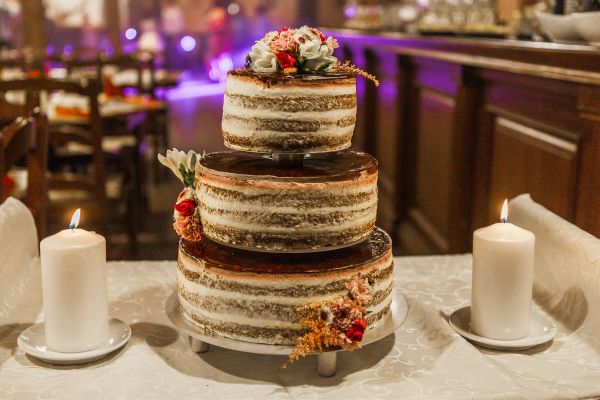
A wedding cake may look calm and elegant once it is standing in the reception room, but getting it there is rarely a casual task. Behind that polished final display is a careful process involving timing, temperature, transportation, structure, placement, and a little bit of patience. For couples, the cake often feels like one of the more romantic details of the day. For the people handling it, it is also one of the most delicate.
That is why understanding wedding cake delivery and setup tips can make the experience feel much less stressful. A wedding cake is not just another dessert that arrives in a box. It may have several tiers, fragile sugar flowers, soft buttercream, fresh blooms, supports, dowels, ribbons, toppers, or decorative textures that can shift if handled roughly. Even a simple-looking cake needs the right conditions to arrive safely and look beautiful.
The good news is that most wedding cake delivery worries can be avoided with planning. When everyone knows what to expect, the cake can move from bakery to venue with confidence, then become the sweet centerpiece it was meant to be.
Why Wedding Cake Delivery Needs Careful Planning
Wedding cakes are built to be beautiful, but they are not naturally travel-friendly. Tall tiers, smooth frosting, delicate edges, and decorative details can be sensitive to bumps, heat, humidity, and sudden movement. A cake that looks strong on a table may still require careful handling during transport.
Planning matters because delivery usually happens on a busy day. The venue may be setting tables, florists may be arranging centerpieces, caterers may be preparing service areas, and photographers may be moving through the room. The cake has to arrive at the right time, enter through the right door, and be placed where it will remain safe until the cake-cutting moment.
Good delivery planning is not only about avoiding disaster. It is about preserving the design. A cake may technically arrive in one piece, but if the frosting has softened, the flowers have shifted, or the display table is unstable, the final look can suffer. The setup process protects all the work that went into the cake before the wedding day even began.
Confirming the Delivery Details Early
One of the most useful wedding cake delivery and setup tips is to confirm every delivery detail well before the wedding day. The venue address should be clear, including building names, entrance points, parking instructions, elevator access, and loading zones. Some venues are large or spread across different areas, and a vague address can waste valuable time.
It is also important to confirm the delivery window. The cake should usually arrive after the reception space is mostly set up but before guests begin entering the room. If it arrives too early, it may sit exposed for longer than necessary. If it arrives too late, setup may feel rushed, especially if decorations need to be added on-site.
The person receiving the cake should also be identified in advance. This may be a venue coordinator, wedding planner, caterer, or trusted family member. The delivery team should not have to search for someone who knows where the cake belongs. A clear point of contact keeps everything calm and organized.
Small details make a big difference here. A phone number, a specific arrival time, and a confirmed cake table location can prevent confusion at the exact moment when the day is already moving quickly.
Understanding How Cakes Are Transported
Wedding cakes can be transported in different ways depending on their size, design, and structure. Some cakes travel fully assembled, especially smaller two-tier or three-tier designs that are stable enough for the journey. Larger cakes may be transported in separate tiers and assembled at the venue.
There is no single method that works for every cake. A heavily decorated buttercream cake may need more protection from heat. A tall fondant cake may require internal support and careful handling. A cake with sugar flowers may travel with some decorations packed separately and attached during setup. A design with fresh flowers may need coordination between the baker and florist.
The vehicle also matters. Cakes should usually travel on a flat, stable surface, not on someone’s lap or a slanted car seat. Air conditioning is essential in warm weather, especially for buttercream, cream fillings, and softer decorations. Sudden braking, sharp turns, and rough roads can all affect the cake, so careful driving is part of the process.
This is why wedding cake delivery is often best treated as a professional task rather than a casual favor. Even when a cake is simple, transporting it requires attention from start to finish.
The Role of Temperature and Weather
Temperature is one of the biggest factors in wedding cake delivery. Heat can soften buttercream, loosen decorations, affect fillings, and make tiers more vulnerable to shifting. Humidity can also change the texture of certain finishes, especially sugar work and delicate decorations.
For summer weddings, outdoor venues, or warm climates, timing becomes especially important. A cake should not sit in direct sunlight or near windows where heat builds up. It should also be kept away from heaters, fireplaces, kitchen doors, and crowded areas where the room may feel warmer.
Cold weather brings its own considerations. While cooler temperatures are generally easier for cake stability, condensation can form if a chilled cake moves too quickly into a warmer environment. This can affect the surface appearance, especially on fondant or smooth finishes.
Weather is not something anyone can control, but it can be planned around. The best approach is to think ahead about where the cake will be stored, how long it will be displayed, and whether the reception area will remain comfortable throughout the event.
Preparing the Cake Table Before Arrival
The cake table should be ready before the cake arrives. It sounds obvious, but on a busy wedding day, this detail can easily fall behind. A cake should never have to wait while linens are steamed, flowers are moved, or the table is searched for in storage.
The table needs to be strong, level, and placed in a safe location. A wobbly or uneven table can be risky, especially for a tall cake. The surface should be large enough for the cake stand, decorative elements, serving knife, flowers, candles, or any surrounding décor. If the cake is heavy, the stand should also be sturdy enough to support it.
Placement matters as much as appearance. A cake table near a dance floor, doorway, speaker, or high-traffic walkway may look convenient, but it can increase the chance of accidental bumps. A spot with good visibility and enough space around it is usually better. Guests should be able to admire and photograph the cake without crowding it too closely.
Lighting should also be considered. A beautifully designed cake deserves to be seen. Soft, flattering light can make the cake look elegant in photos, while harsh direct light or deep shadows may hide the details.
Setting Up the Cake at the Venue
Once the cake reaches the venue, setup begins carefully. If the cake arrives assembled, it may only need to be placed on the stand and adjusted slightly. If the tiers arrive separately, the setup process may take longer. Each tier has to be stacked, aligned, supported, and checked for stability.
Decorations may also be added during setup. Fresh flowers, sugar flowers, ribbon, fruit, greenery, toppers, or small finishing details are often placed at the venue rather than before transport. This helps protect fragile elements and allows the final design to match the surrounding décor.
During setup, the cake should be handled by as few people as possible. Too many helpers can create confusion. It is better to let the assigned person or team complete the setup without crowding the table.
The final check is important. The cake should be centered, clean, stable, and positioned nicely from the main viewing angle. Any visible smudges, shifted details, or gaps can be corrected before guests arrive. These last few minutes of attention can make the cake look effortless, even though plenty of work brought it to that point.
Coordinating Fresh Flowers and Decorative Details
Fresh flowers can make a wedding cake look romantic and natural, but they need careful coordination. Not every flower is suitable for direct contact with cake, and some stems may need to be wrapped or placed with protective barriers. The florist and baker should both understand where flowers will be used and who will place them.
If flowers are added by the florist, timing should be clear. The cake may need to be delivered first, then decorated once it is in position. If the baker is placing the flowers, the florist may need to leave prepared blooms at the cake table. Either way, communication is essential.
The same applies to toppers, figurines, cake charms, or cultural decorations. These items should be available at the venue before setup begins. If a topper is heavy, the cake may need extra support. If it is fragile, it should be packed safely and clearly labeled.
Decorative details may seem small, but they often complete the design. When they are missing or added in a hurry, the cake may not look quite as intended.
Keeping the Cake Safe During the Reception
After setup, the cake still needs protection until it is served. This does not mean someone must stand guard beside it all night, but the venue team should know that the cake table needs to stay undisturbed.
The cake should not be moved once it is set up unless absolutely necessary. Moving a finished wedding cake after setup can be risky, especially if it has multiple tiers or soft frosting. If the cake table needs to be relocated for any reason, the decision should be made before the cake arrives.
Children, guests carrying drinks, and crowded photo moments can all accidentally create problems. A smart table location helps reduce these risks. For outdoor weddings, insects, wind, and sun exposure should also be considered. A cake displayed outdoors may need shade, a protected area, or a shorter display time before cutting.
The cake-cutting schedule also matters. If the cake contains perishable fillings or is sensitive to heat, it may not be ideal to leave it out for many hours. The timeline should match the cake’s ingredients and the room conditions.
What Couples Should Expect on the Wedding Day
Couples often do not see the delivery and setup process happen, and that is usually a good thing. By the time they enter the reception space, the cake should already be in place, looking polished and ready for photos. Still, it helps to know what is happening behind the scenes.
The delivery team may arrive, check in with the coordinator, inspect the table, bring in the cake, assemble or finish it, take a final look, and leave any serving notes if needed. If the cake includes special instructions, such as removing decorative pieces before cutting, those should be communicated to the catering team.
Couples should not have to manage these details themselves on the day. Their role is mainly to make sure arrangements have been confirmed beforehand. Once the wedding begins, the responsibility should shift to the planner, venue staff, baker, or caterer.
This is one of those areas where preparation creates peace of mind. When the plan is clear, the cake becomes something to enjoy rather than worry about.
Common Mistakes to Avoid
Many cake delivery problems come from small oversights. A table that is too small. A room that is too warm. A topper that was left at home. A delivery address without clear parking instructions. A cake placed beside a sunny window. None of these issues sound dramatic on their own, but each one can affect the final presentation.
Another common mistake is assuming the cake can be moved easily after setup. Once a tiered cake is displayed, it should be treated as finished. Moving it from one side of the room to another can create unnecessary risk.
It is also easy to underestimate timing. Cake setup may take only a few minutes for a simple design, but a larger cake with separate tiers and decorative details can take longer. Leaving enough time allows the setup to happen calmly and carefully.
The best approach is simple: decide the details early, communicate clearly, and avoid last-minute changes whenever possible.
Conclusion
Wedding cake delivery may not be the most glamorous part of wedding planning, but it is one of the most important behind-the-scenes steps. A beautiful cake depends not only on design and flavor, but also on how safely it travels, where it is placed, and how carefully it is set up.
The most helpful wedding cake delivery and setup tips come down to preparation. Confirm the address, timing, contact person, table, temperature, decorations, and serving details before the wedding day arrives. When those pieces are in place, the cake can arrive smoothly and stand beautifully throughout the celebration.
In the end, guests may only see the finished cake glowing under soft lights, ready for photos and the first slice. They may never notice the planning that protected it. And that is exactly how it should be.