Food shapes the atmosphere of a wedding in ways many couples do not fully realize until the day arrives. Long after the music fades and decorations come down, guests often remember how the meal felt. Was the evening relaxed and social? Formal and elegant? Fast-paced and energetic? Much of that impression comes from the style of catering chosen for the reception.
Among the most common decisions couples face is the debate around buffet vs plated wedding catering. At first glance, the choice may seem mostly practical, centered on cost or convenience. In reality, it influences everything from guest interaction and event timing to the overall tone of the celebration.
Neither option is universally better. Some weddings feel perfectly suited for formal plated service, while others thrive with the lively movement and flexibility of a buffet. The right choice usually depends less on trends and more on the atmosphere the couple wants guests to experience throughout the evening.
Understanding the Basics of Buffet and Plated Catering
Buffet catering allows guests to move through serving stations or long food tables where they select their own meals. Dishes are typically arranged in groups, often including multiple proteins, sides, salads, and desserts.
Plated catering, on the other hand, involves meals prepared in advance and served directly to seated guests. Courses usually arrive in a coordinated sequence, creating a more structured dining experience.
At the surface level, the difference seems straightforward. One encourages movement and self-selection, while the other emphasizes seated service and presentation. Yet the emotional feel of each option can differ dramatically once the reception begins.
A buffet often creates a casual, conversational energy. Plated dinners tend to feel quieter, more formal, and more carefully paced.
The Atmosphere Created by Buffet Catering
Buffet-style receptions naturally encourage movement. Guests leave their tables, walk through food lines, and interact with others throughout the room. That constant flow creates a relaxed social environment that many couples enjoy.
Some receptions almost feel like large family gatherings when buffet service is done well. People linger near food stations, compare meal choices, and casually move between conversations.
This style also tends to reduce the pressure associated with highly formal dining events. Guests can eat at their own pace and often feel more comfortable choosing portion sizes themselves.
For weddings with diverse guest lists, buffet service sometimes helps break down social barriers more easily. People naturally mingle while waiting in line or exploring different dishes.
Still, the casual atmosphere is not always ideal for every wedding. Some couples prefer a more refined structure, especially during traditional evening receptions or black-tie events.
The Elegance of Plated Wedding Service
Plated meals create a noticeably different mood. Once guests are seated, the reception often feels more focused and coordinated. Courses arrive together, tables remain orderly, and attention naturally shifts toward speeches, music, or key moments happening in the room.
Many couples choose plated service because it adds a sense of elegance without requiring elaborate décor. There is something visually polished about synchronized meal service and carefully presented plates.
Guests also remain seated longer, which can encourage more meaningful conversation within tables. The evening often feels smoother and more controlled overall.
Plated dinners tend to work especially well in venues where timing matters closely. Since meals are served directly, there is less unpredictability around guest flow or long lines.
At the same time, plated service can feel slightly formal for couples hoping to create a laid-back atmosphere. Some guests also prefer the flexibility of choosing their own portions rather than receiving preset plates.
Food Variety and Guest Choice
One of the strongest advantages of buffet catering is flexibility. Guests usually appreciate having multiple options available, particularly when dietary preferences vary widely.
A buffet allows people to avoid ingredients they dislike, choose larger portions of favorite dishes, or sample several foods at once. This flexibility often makes guests feel more comfortable, especially at large weddings with diverse age groups and tastes.
Couples who want to showcase family recipes, cultural specialties, or multiple cuisines may also find buffet service easier for presenting variety.
Plated meals typically offer less freedom. Guests often select entrée choices ahead of time, which requires planning and coordination before the wedding. While this approach creates efficiency, it can occasionally feel restrictive for guests who change preferences or have unexpected dietary needs.
Still, plated meals often excel in consistency. Every guest receives a carefully portioned dish prepared with presentation in mind, which can enhance the overall dining experience.
Timing and Flow During the Reception
Reception timing changes noticeably depending on catering style. Buffet service introduces movement and flexibility, but it can also slow the meal process if guest counts are large.
Long buffet lines occasionally become frustrating, especially when multiple tables are released slowly. Older guests or those with mobility concerns may also find repeated movement tiring.
Well-organized buffet setups usually reduce these issues through multiple serving stations or staggered table calls. Even so, buffet meals tend to create a more fluid timeline overall.
Plated dinners usually operate with greater precision. Once service begins, meals reach guests relatively quickly and consistently. This timing control helps receptions stay aligned with speeches, dances, and entertainment schedules.
Couples planning tightly coordinated evening timelines often prefer plated service for this reason alone.
The Visual Impact of Each Catering Style
Presentation matters more than many people expect at weddings. Food contributes not only to taste but also to the visual character of the reception.
Plated meals naturally create a polished appearance. Uniform dishes arriving simultaneously can elevate the sense of sophistication within the room. Table settings also remain cleaner and more structured throughout dinner service.
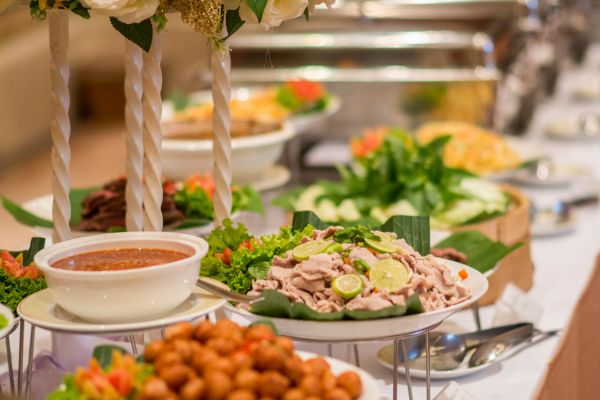
Buffets offer a different kind of visual appeal. Large grazing displays, colorful serving stations, and abundant food arrangements create warmth and abundance. Some buffet setups become decorative focal points themselves.
Rustic weddings, garden receptions, and outdoor celebrations often pair beautifully with buffet-style displays because the relaxed presentation complements the environment naturally.
In contrast, ballroom weddings or highly formal receptions may align more comfortably with plated dining aesthetics.
Guest Comfort and Dining Experience
Comfort levels vary widely between guests, which makes the buffet vs plated wedding catering decision surprisingly personal.
Some guests genuinely enjoy buffet service because it allows them to control portions and avoid foods they dislike. Families with children often appreciate the flexibility too.
Others prefer staying seated and being served directly, particularly older guests or those attending formal evening receptions. For some people, waiting in buffet lines while dressed formally feels inconvenient rather than enjoyable.
Plated meals also reduce uncertainty around seating flow and food availability. Guests know they will receive their meals without needing to navigate crowded serving areas.
Still, buffet dinners often feel more interactive and relaxed overall. The best choice usually depends on the personality of both the couple and the guest list itself.
Budget Considerations Without Sacrificing Experience
Many couples assume buffet catering is always significantly cheaper than plated service, though the reality depends on menu complexity, staffing, and guest count.
Buffets often require fewer servers but may involve larger quantities of food to maintain full presentation throughout service. Guests also tend to take larger portions when serving themselves.
Plated meals usually involve more staffing and detailed coordination, particularly for multi-course dinners. However, portion control can sometimes reduce overall food waste.
The difference is not always dramatic financially. In many cases, the atmosphere and experience matter more than small cost variations between the two options.
Couples sometimes choose hybrid approaches as well, combining plated appetizers with buffet mains or adding interactive late-night stations after a formal dinner service.
Modern Weddings Are Blending Both Styles
Interestingly, modern receptions increasingly blur the line between buffet and plated catering. Many couples no longer feel obligated to commit fully to one format.
Family-style dining, where large shared dishes are placed directly on tables, combines aspects of both systems. Guests remain seated while still enjoying flexibility and interaction.
Some receptions feature plated entrées alongside self-serve dessert stations or cocktail-hour grazing tables. Others include live chef stations integrated into otherwise formal dinners.
This flexibility reflects a broader shift in wedding culture overall. Couples are focusing less on strict etiquette rules and more on creating experiences that feel genuine to them personally.
The result is often more relaxed, creative receptions that balance elegance with comfort.
Matching Catering Style to Wedding Personality
Ultimately, catering style works best when it reflects the tone of the wedding itself.
Large outdoor weddings with casual energy often pair naturally with buffet dining. Guests move freely, conversations flow easily, and the atmosphere feels warm and communal.
Formal evening receptions with structured timelines and classic décor may benefit more from plated service. The consistency and elegance support the overall mood without distracting from the event flow.
There is also personality involved. Some couples enjoy highly organized events with coordinated details, while others prefer spontaneous interaction and relaxed movement.
Food service quietly shapes those experiences from beginning to end.
Conclusion
The conversation around buffet vs plated wedding catering is less about determining a universally superior option and more about understanding how each style influences the atmosphere of a celebration. Buffets encourage flexibility, movement, and casual interaction, while plated meals create structure, elegance, and a more traditional dining experience.
Neither approach guarantees a perfect reception on its own. What matters most is how well the catering style aligns with the couple’s vision, guest comfort, and the overall mood of the wedding day.
In the end, guests rarely judge a wedding meal solely by whether it arrived on a tray or from a serving station. They remember how the evening felt while sharing food, conversation, and celebration together.