Planning a wedding ceremony is both exciting and overwhelming. Between emotions, expectations, traditions, and logistics, it can feel like there are hundreds of details competing for attention at once. That’s why having a clear approach to step by step wedding ceremony planning can make the entire experience calmer, more meaningful, and far more enjoyable.
A wedding ceremony is the heart of the wedding day. While receptions may bring the celebration, the ceremony is where the promises are made, the emotions surface, and the story of two people coming together truly unfolds. Thoughtful planning helps ensure that every moment—from the processional to the final kiss—feels intentional and authentic.
The following guide walks through the process in a natural, manageable way so couples can focus on creating a ceremony that reflects their relationship and values.
Understanding the Purpose of the Ceremony
Before diving into timelines, decorations, or seating arrangements, it helps to pause and consider what the ceremony represents. Weddings carry different meanings across cultures and families, but at their core, they mark the beginning of a shared life.
Some couples prefer deeply traditional ceremonies, guided by religious or cultural customs. Others choose something more modern and personal. Many blend elements of both.
Taking time to discuss expectations early on can help shape the direction of the ceremony. Questions such as the level of formality, the role of family traditions, and the tone of the event often influence nearly every decision that follows.
This early reflection creates a foundation for the rest of the step by step wedding ceremony planning process.
Choosing the Ceremony Style and Setting
The setting of the ceremony often sets the emotional tone of the entire day. Some couples imagine exchanging vows in a grand religious building, while others prefer a quiet garden, a beach at sunset, or an intimate indoor venue.
Each location brings its own atmosphere and logistical considerations. Outdoor settings, for instance, require backup plans for weather. Historic venues may have specific rules about decor or music. Religious locations may have guidelines regarding ceremony structure.
Selecting the setting early allows time to coordinate schedules, secure permits if necessary, and align the ceremony details with the chosen environment.
More importantly, the location should feel meaningful. The most memorable ceremonies often happen in places that resonate personally with the couple.
Selecting the Officiant
An officiant plays a central role in shaping the ceremony experience. Whether it is a religious leader, a professional officiant, a judge, or even a close friend who becomes ordained for the occasion, this person guides the flow of the ceremony and sets its tone.
Meeting with the officiant early allows couples to discuss expectations and personalize the ceremony. Some officiants follow traditional scripts, while others encourage couples to write their own vows or incorporate symbolic rituals.
During step by step wedding ceremony planning, communication with the officiant ensures that the ceremony reflects both legal requirements and personal meaning.
Creating the Ceremony Structure
A wedding ceremony typically follows a recognizable flow, though couples often customize the order. While traditions vary, most ceremonies include a processional, opening remarks, readings, vows, the exchange of rings, and a pronouncement of marriage.
Understanding the structure helps couples visualize how the ceremony will unfold. For instance, deciding who walks down the aisle and in what order can influence timing, music choices, and coordination with the wedding party.
Some couples add meaningful rituals such as unity candles, sand ceremonies, cultural blessings, or musical performances. These elements can create powerful emotional moments when thoughtfully integrated into the ceremony.
The goal is to create a rhythm that feels natural rather than overly scripted.
Writing Personal Vows
For many couples, writing personal vows becomes one of the most memorable parts of the planning process. It offers a chance to reflect on the relationship, share promises for the future, and speak directly from the heart.
Writing vows doesn’t have to feel intimidating. Some couples prefer poetic language, while others choose simple and sincere words. The key is authenticity.
During step by step wedding ceremony planning, setting aside time to write and revise vows gradually can ease pressure. Many couples begin drafting several weeks before the wedding so they can refine their thoughts without feeling rushed.
When spoken aloud during the ceremony, these words often become the emotional centerpiece of the day.
Selecting Music for Key Moments
Music quietly shapes the atmosphere of a wedding ceremony. From the first notes of the processional to the joyful exit at the end, each piece helps create emotional continuity.
Couples usually select music for several key moments. The processional introduces the wedding party and sets the mood. The bride or groom’s entrance often features a distinct musical choice. Readings or special rituals may include background music, while the recessional celebrates the newly married couple.
Some couples choose live musicians such as a string quartet or pianist, while others use recorded music. Regardless of the format, the selections should reflect the couple’s personalities and the ceremony’s overall tone.
Thoughtful music choices often transform a ceremony from formal to deeply moving.
Coordinating the Wedding Party
The wedding party contributes both visually and emotionally to the ceremony. Bridesmaids, groomsmen, flower girls, and ring bearers all play roles that help guide the event.
Clear communication is essential here. Participants should understand where to stand, when to walk, and what their responsibilities are during the ceremony.
A rehearsal, typically held the day before the wedding, allows everyone to practice the processional and positioning. This short run-through often eliminates last-minute confusion and allows the ceremony to flow smoothly.
During step by step wedding ceremony planning, coordinating the wedding party early also helps address wardrobe timing, transportation, and arrival schedules.
Planning the Ceremony Decor
Decorations enhance the visual atmosphere without overshadowing the ceremony itself. The goal is usually subtle elegance rather than overwhelming detail.
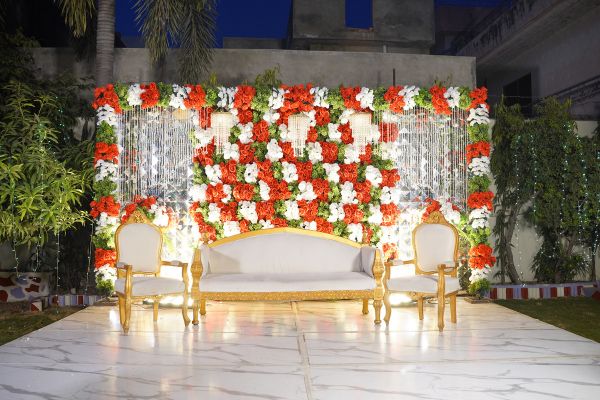
Common decor elements include aisle runners, floral arrangements, arches or backdrops, candles, and seating decorations. These elements often mirror the overall wedding theme or color palette.
When planning ceremony decor, couples should consider the venue’s natural beauty. Outdoor locations may require minimal additions, while indoor venues sometimes benefit from thoughtful accents that bring warmth or character to the space.
Keeping decor balanced ensures that the focus remains on the couple and the moment being shared.
Managing Timing and Logistics
Even the most beautiful ceremony requires careful timing. Coordinating arrivals, music cues, photography, and guest seating ensures that everything flows without interruption.
Most ceremonies last between twenty and forty minutes, though religious ceremonies may be longer. Building a clear timeline allows vendors and participants to stay aligned.
Photographers often prefer to discuss lighting conditions and positioning ahead of time, especially for outdoor ceremonies. Meanwhile, ushers or coordinators help guide guests to their seats and keep the schedule moving smoothly.
This behind-the-scenes coordination is a crucial part of successful step by step wedding ceremony planning.
Preparing Emotionally for the Moment
Amid all the planning, it’s easy to forget that a wedding ceremony is an emotional milestone. Couples often experience a mixture of excitement, nerves, joy, and reflection in the days leading up to the event.
Taking time to pause and appreciate the significance of the moment can make the ceremony feel more meaningful. Some couples choose to exchange letters before the ceremony or share a quiet moment together beforehand.
These small gestures help shift the focus from logistics to connection, allowing the ceremony to unfold naturally rather than feeling rushed.
After all, the purpose of the ceremony isn’t perfection. It’s the experience of standing together and making a promise.
The Value of a Thoughtful Ceremony Plan
Wedding ceremonies are deeply personal events, shaped by culture, family traditions, and individual love stories. Thoughtful step by step wedding ceremony planning allows couples to navigate the many decisions involved without losing sight of what truly matters.
By taking the process gradually—choosing a meaningful setting, crafting heartfelt vows, coordinating participants, and creating a smooth flow—couples can design a ceremony that feels both organized and authentic.
When the moment finally arrives, the details fade into the background. What remains are the emotions, the promises, and the beginning of a shared future.
In the end, the most memorable ceremonies are not the most elaborate ones. They are the ones that genuinely reflect the people standing at the altar and the journey they are about to begin together.