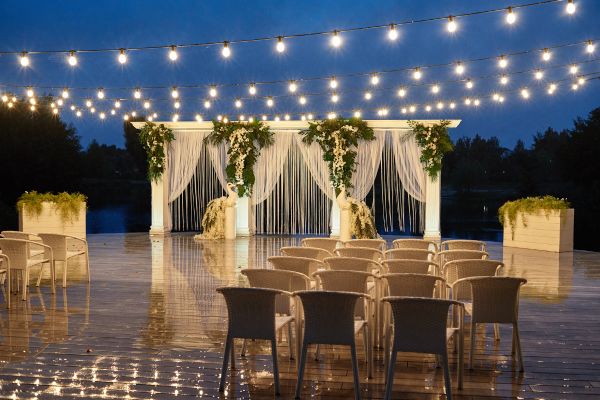
Wedding lighting has quietly become one of the most powerful design elements in modern celebrations. It shapes mood, defines space, and often leaves a stronger emotional imprint than flowers or furniture ever could. Long after the last song fades, guests tend to remember how the room felt—warm, romantic, dramatic, or playful—and lighting is usually the reason why.
Creative wedding lighting solutions go far beyond simply making sure everyone can see the cake. They tell a story, guide the flow of the event, and subtly highlight the moments that matter most. When done thoughtfully, lighting doesn’t announce itself. It works in the background, transforming ordinary spaces into unforgettable experiences.
Why Lighting Matters More Than Couples Expect
Many couples focus on décor they can touch—table linens, centerpieces, arches—while lighting remains an afterthought. Yet lighting has a unique ability to alter perception instantly. A plain barn becomes intimate with amber glows. A stark ballroom softens under warm uplighting. Even outdoor spaces can feel curated rather than accidental once light is introduced with intention.
Lighting also affects how photographs turn out. Soft, layered lighting reduces harsh shadows and adds depth, creating images that feel natural rather than staged. When the lighting is right, even candid moments seem cinematic.
Setting the Mood from Ceremony to Reception
One of the most overlooked aspects of wedding lighting is how it evolves throughout the day. The emotional arc of a wedding isn’t static, and lighting should reflect that progression.
Ceremony lighting often works best when it feels organic. Daytime ceremonies benefit from enhancing natural light rather than overpowering it. As the event moves into evening, lighting can gradually become more dramatic, mirroring the shift from formal to celebratory.
Receptions invite more creative freedom. This is where lighting can signal transitions—dinner, speeches, dancing—without a single announcement. A subtle dimming encourages conversation. A sudden burst of color energizes the dance floor. Guests feel the change before they consciously notice it.
String Lights and the Art of Soft Romance
String lights have become a wedding staple for good reason. They create instant warmth and evoke a sense of nostalgia that feels timeless rather than trendy. Their appeal lies in their versatility. Draped overhead, they mimic a starry sky. Wrapped around trees or beams, they add structure and depth to open spaces.
What elevates string lights from common to creative is placement. Instead of evenly spacing them, allowing slight irregularity can make a space feel more relaxed and organic. Mixing warm tones rather than sticking to a single brightness level also adds visual interest without overwhelming the scene.
Statement Chandeliers in Unexpected Spaces
Chandeliers are no longer reserved for grand ballrooms. Hanging them in barns, tents, or even outdoor courtyards creates a striking contrast that feels intentional and memorable. There’s something inherently dramatic about a chandelier floating where guests don’t expect one.
Creative wedding lighting solutions often play with scale here. Oversized chandeliers can anchor large spaces, while clusters of smaller ones add intimacy. The key is restraint. A few well-placed fixtures tend to have more impact than many competing focal points.
Uplighting as a Silent Design Tool
Uplighting is one of the most subtle yet transformative lighting techniques. By washing walls, columns, or trees with light, it reshapes the architecture of a venue without altering its physical structure.
Color choice matters more than people realize. Soft whites and ambers create elegance and warmth, while deeper tones can introduce drama or playfulness. Changing uplighting colors throughout the evening can shift the atmosphere without guests fully realizing why the room suddenly feels different.
When used thoughtfully, uplighting doesn’t draw attention to itself. It simply makes everything else look better.
Dance Floor Lighting That Feels Alive
The dance floor is where energy peaks, and lighting should rise to meet it. Static lighting can make even the best playlist feel flat. Movement, on the other hand, creates excitement.
This doesn’t mean turning the reception into a nightclub. Gentle motion, subtle pattern changes, or slow color transitions often feel more refined than aggressive flashes. The goal is to encourage movement without overwhelming guests who prefer to watch from the sidelines.
Dance floor lighting works best when it contrasts with surrounding areas. When the rest of the room remains softly lit, the dance floor naturally becomes the focal point.
Candles and the Power of Imperfection
In a world dominated by technology, candlelight still holds a special kind of magic. Its flicker is imperfect, unpredictable, and deeply human. That’s exactly why it works so well at weddings.
Candles add intimacy in ways electric light can’t replicate. Grouped at varying heights, they create visual rhythm. Combined with reflective surfaces, they amplify warmth without increasing brightness.
Safety and venue rules always matter, of course, but when allowed, candlelight remains one of the most emotionally resonant creative wedding lighting solutions available.
Outdoor Lighting That Feels Intentional
Outdoor weddings present unique lighting challenges. Open spaces can easily feel under-designed once the sun sets. The solution isn’t to flood the area with light, but to create pockets of illumination that guide guests naturally.
Pathway lighting ensures safety while subtly directing movement. Tree lighting adds vertical interest and helps define the boundaries of a space. Soft overhead lighting brings intimacy to wide-open settings that might otherwise feel vast.
The most successful outdoor lighting plans embrace darkness rather than fighting it. Shadows, when controlled, add depth and mystery.
Personalized Lighting Touches That Tell a Story
Lighting can be deeply personal without being literal. Instead of projecting names or dates, couples are increasingly choosing lighting that reflects shared memories or emotions.
A warm glow reminiscent of a favorite café. Soft blues inspired by coastal evenings. Patterns that echo cultural motifs without spelling them out. These choices feel intimate to the couple while remaining beautiful to guests.
Personalization works best when it’s subtle. When lighting supports the story rather than announcing it, the result feels authentic.
Balancing Creativity with Comfort
While creativity is essential, guest comfort should never be sacrificed. Lighting that’s too harsh, too dark, or too chaotic can distract from the celebration itself. The most memorable weddings strike a balance between visual interest and ease.
Transitions should feel smooth, not jarring. Brightness levels should allow conversation as easily as dancing. When guests don’t have to think about the lighting, it’s usually because it’s been done well.
A Thoughtful Ending to a Well-Lit Celebration
Creative wedding lighting solutions aren’t about trends or spectacle. They’re about atmosphere, emotion, and experience. The right lighting quietly supports every moment, from the first look to the final song, shaping memories without demanding attention.
When couples approach lighting as part of the story rather than an accessory, the results feel effortless and lasting. Long after the décor is packed away, what remains is the feeling—the warmth, the intimacy, the glow that made everything feel just right.