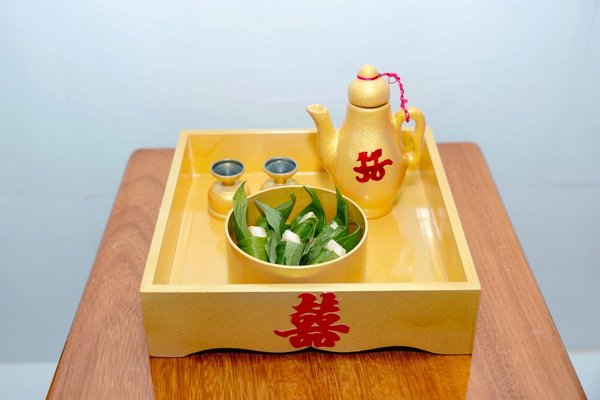
At a Chinese wedding tea ceremony, the order of the cups matters as much as the tea. A couple may know they want to honour their parents, yet wonder whether grandparents go first, who should pour, and how to include both families. A little planning turns those questions into a warm exchange rather than an awkward queue.
Known as jing cha, or respectfully offering tea, this ritual appears in many Chinese wedding traditions. There is no single sequence followed by every Chinese family. Customs differ by region, language group and household, so the best plan begins with a conversation with the people receiving the tea.
What the Tea Ceremony Means
The couple offers tea to parents and other elders to express gratitude and respect. In accepting it, relatives welcome the marriage and often respond with blessings, advice or gifts. The exchange makes a new family relationship visible: people are participating in the celebration, not simply watching it.
The tea ceremony is a cultural family ritual, not the legal act that makes a marriage valid. It may sit alongside a civil, religious or other wedding ceremony.
Deciding the Wedding Tea Ceremony Order
Some families begin with the groom’s relatives and then serve the bride’s family; others reverse that order or hold separate sessions. Within each family, seniority generally guides the sequence, although some households serve parents before grandparents and others begin with the oldest generation.
Make a family-by-family serving plan
Ask both sets of parents to agree on a named order before the wedding. It may include grandparents, parents, aunts and uncles, and selected older relatives or siblings. Younger siblings and friends do not automatically receive tea; their roles vary by family. For blended families, include stepparents, guardians or other parental figures thoughtfully.
Write each recipient’s name, relationship, preferred form of address and seat assignment on one sheet. This helps where Mandarin, Cantonese or another family language is spoken. A relative can coach pronunciation, preventing the couple from improvising formal kinship terms in front of everyone.
What Actually Happens When Tea Is Served?
The exchange, from cup to blessing
Once an elder is seated, an attendant brings filled cups to the couple. The couple bows or, where customary and comfortable, kneels on cushions. A cup is presented with both hands, often accompanied by a simple invitation such as, “Please have some tea, Grandma.” The elder takes a sip, offers a blessing and may present a red envelope or jewellery. The cups are collected before the next person takes the seat.
Some families have both partners serve each elder separately, while others offer tea together. Agree on that detail in advance, because it affects the number of cups, the serving time and the way attendants prepare the tray.
Give everyone a practical role
Two helpers make a substantial difference: one prepares and replenishes the tea; the other passes clean cups, collects used ones and manages the next seated relatives. A family member can announce names; another trusted person can safeguard gifts. The couple should focus on each exchange rather than handling hot kettles or organising chairs.
Tea, Equipment and a Comfortable Setup
A teapot, small cups, serving trays, a safe source of warm water, somewhere for used cups and two sturdy chairs form a workable setup. A small table and clear walking space keep things tidy. Provide additional seating for anyone who cannot stand for long, and make sure grandparents can reach their places easily.
Black tea, oolong and other family-preferred teas can work well. Some households favour sweet tea with red dates or longan; others add lotus seeds for their symbolism. These additions are customs, not requirements. Check allergies and preferences, and serve tea pleasantly warm rather than scalding hot.
Red-and-gold decorations, double-happiness symbols or family heirlooms make the setting personal. None replaces a clear plan. Couples exploring related rituals can read more about Chinese wedding traditions and wedding ceremony timeline ideas.
When to Schedule the Ceremony
Some couples hold the Chinese tea ceremony wedding ritual at home before the main celebration; others arrange it at the venue, after the vows or on a separate day. Choose a time when senior relatives can attend comfortably.
For example, if two families have six tea recipients each, allow time for seating changes, spoken blessings, photographs and fresh cups. A brief rehearsal with helpers beats calculating a rigid number of seconds per elder. Add a buffer for travel and outfit changes if the families meet at different addresses.
Red Envelopes, Jewellery and Attire
Parents and elders commonly offer red envelopes containing money, called hongbao in Mandarin or lai see in Cantonese. Gold jewellery is another gift in some families. These gestures convey goodwill; neither the amount nor the type of gift should become a public expectation. Have someone secure envelopes and record gifts discreetly later.
Traditional clothing might include a red qipao or embroidered bridal outfit, with a Chinese-style jacket or formal suit for the other partner. Modern attire is also possible. Choose clothes that suit the family’s preferences and make bowing, kneeling or sitting comfortable. Discuss whether gifted jewellery will be worn immediately.
Helping Guests Understand the Moment
Guests unfamiliar with the ritual may think the couple is simply serving refreshments. A brief introduction can explain that offering tea acknowledges elders and receiving it expresses welcome. If the ceremony is public, ask guests to silence phones and leave room for the photographer.
For a bilingual gathering, a one-sentence explanation in each language is enough. A short programme note also works. Multicultural wedding planning tips can help couples decide which customs need explaining and which should remain private family moments.
Plan Around Relationships, Not Rigid Rules
Discuss sensitive family relationships before publishing the order. Ask elders whether kneeling is expected or unnecessary; a standing bow can accommodate mobility needs. If someone cannot attend, consider a separate visit rather than making a surprise video call part of the ceremony.
The most useful tea ceremony planning step is simple: confirm the family order and rehearse the handoffs. A calm, clearly understood ritual leaves room for genuine emotion.
Frequently Asked Questions
Who receives tea first at a Chinese wedding?
It depends on family custom. Many couples begin with the groom’s family, but either side can go first. Grandparents or parents may lead, followed by other participating elders. Confirm the wedding tea ceremony order with both families.
How long does a Chinese wedding tea ceremony take?
A small ceremony may take around 20–30 minutes, while a larger one can take an hour or more. The number of relatives, family sessions, speeches and photographs determines the schedule.
Must the couple kneel to serve tea?
No universal rule requires kneeling. It is traditional in some families, while others use a bow or stand. Respectful presentation and agreement with the elders matter more than forcing an uncomfortable posture.
Do guests need to bring red envelopes?
Not usually. Red envelopes and jewellery are most often gifts from participating elders to the couple. Guests who are watching should follow the invitation and guidance from the hosts.