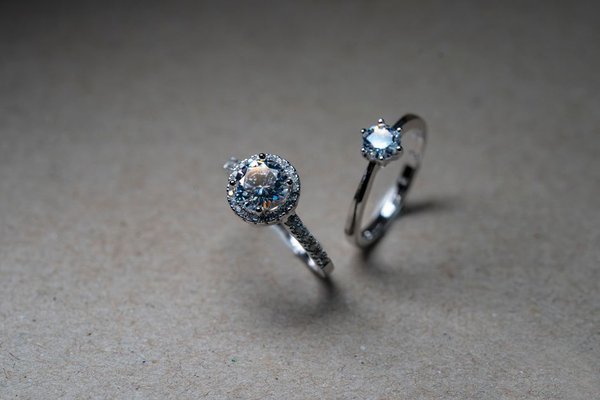
Choosing between a bezel and prong setting changes more than the look of an engagement ring. The setting affects stone visibility, snagging, cleaning, and everyday comfort. The best choice is not about which style is universally “better,” but which one suits the stone, lifestyle, and design priorities of the wearer.
A prong setting is the classic choice when maximum stone visibility and a light, open appearance matter most. A bezel setting surrounds more of the stone with metal, creating a smoother profile and a greater sense of protection. Comparing bezel vs prong setting options side by side makes the trade-offs much clearer.
How Bezel and Prong Settings Hold a Stone
In a prong setting, small metal claws extend upward and bend over the edge of the gemstone. Four- and six-prong designs are especially common for round diamonds, although the number and shape vary with the stone and ring design. Because relatively little metal covers the gemstone, more of its outline remains visible.
A bezel setting uses a rim of metal that wraps around all or part of the stone’s edge. A full bezel encircles the stone, while a partial bezel leaves selected sections exposed. This construction gives bezel rings their smooth, contemporary appearance and can make the centre stone feel visually integrated into the ring.
Security and Everyday Durability
If security is the main priority, a well-made bezel usually has the advantage. The surrounding metal protects much of the stone’s girdle and reduces exposed points that can catch or take a direct knock. This can make a bezel appealing for people who work with their hands, wear gloves regularly, exercise frequently, or simply prefer a secure diamond setting with fewer protruding parts.
Prongs can also hold a diamond securely when the ring is properly designed and maintained. The difference is that individual prongs are exposed. Over time, a prong may wear down, bend, or loosen after repeated contact with hard surfaces, so periodic inspection is important.
Consider someone who wears an engagement ring every day while working in healthcare. A high prong setting may repeatedly catch on disposable gloves, whereas a low profile engagement ring with a bezel may slide under gloves more easily. For someone who removes the ring before practical tasks and prefers a traditional raised-diamond look, that concern may matter far less.
Sparkle and Stone Visibility
Prong settings are often chosen for their open look. With less metal around the diamond, more of the stone’s side profile can be visible, and the centre stone can appear especially prominent. The result is airy and traditional, particularly in solitaire engagement rings.
A bezel covers more of the stone’s perimeter, so the outline is less exposed. That can make the ring look more substantial and graphic. However, a bezel does not automatically make a well-cut diamond look dull. A diamond’s brilliance depends largely on its cut and how light travels through its facets. The bezel changes the presentation and visible outline more than it changes the diamond’s inherent light performance.
Which setting can make the diamond look larger?
It depends on the design. A slim bezel can create a defined border that makes the centre look visually broad, while prongs expose more of the diamond’s actual circumference. Instead of relying on a blanket “larger” claim, compare rings with similar stone sizes and proportions.
Snagging, Comfort, and Ring Height
Bezel settings generally have smoother edges and fewer projecting parts, so they tend to snag less on knitwear, hair, bedding, and gloves. Many are also designed with the stone sitting relatively low, which can suit buyers who want an engagement ring that feels unobtrusive during an active day.
Prong settings vary in height. Some are low and compact, while cathedral and elevated solitaire designs place the stone noticeably above the band. A higher setting may create a dramatic profile, but it can also be more noticeable during daily tasks.
A useful tip is to view the ring from the side, not only from the top. Check how high the stone sits above the finger and whether the basket, prongs, or bezel create sharp transitions. Side-profile photographs and an in-person try-on can reveal comfort differences that front-facing images hide.
Cleaning and Maintenance
Both settings need routine cleaning because lotions, soap, skin oils, and debris can collect around the stone. Prong settings often provide easier access to the sides and underside of the gemstone. Bezels can trap residue in narrow areas between the stone and surrounding metal, so cleaning may require more attention with a soft brush and a suitable jewellery-cleaning method.
Whichever style you choose, professional inspection is sensible if the ring receives heavy wear or suffers an impact. A jeweller can check whether the stone remains secure and whether the metal around the setting shows damage or excessive wear.
Which Setting Fits Your Style and Lifestyle?
A prong setting suits buyers who want a classic engagement-ring silhouette, plenty of visible stone, and a delicate framework around the centre. It works especially well when the diamond itself is intended to be the visual focus.
A bezel setting often feels more modern, streamlined, or architectural. It can also complement vintage-inspired rings and coloured gemstones. Because the metal creates a visible border, the metal colour can play a stronger role in the overall look.
Choose a bezel if you prioritise a smooth profile, reduced snagging, edge protection, and a contemporary appearance. Choose prongs if you prefer a traditional look, want the centre stone highly visible, and do not mind checking the setting periodically for wear. A carefully made prong setting can be secure and practical, while a finely proportioned bezel can look elegant rather than bulky.
Frequently Asked Questions
Is a bezel setting more secure than a prong setting?
Generally, a full bezel offers more protection around the stone’s edge and has fewer exposed components that can catch or bend. A properly made prong setting can still be very secure, but its prongs should be inspected for wear over time.
Does a bezel setting reduce a diamond’s sparkle?
A bezel changes how much of the diamond’s edge and side profile are visible, but it does not automatically make a well-cut diamond dull. Cut quality remains a major factor in brilliance.
Are prong settings harder to wear every day?
Not necessarily. Many people comfortably wear prong-set rings for years. The practical difference is that raised prongs can snag more easily and may need more attention if the wearer frequently works with their hands.
Which setting is better for a low-profile engagement ring?
A bezel is often an excellent choice because the stone can be integrated closely with the surrounding metal. Low prong designs also exist, so comparing the ring’s side profile is more useful than relying on the setting name alone.
Final Thoughts
The bezel-versus-prong decision comes down to the balance you want between openness and protection. Prongs showcase more of the stone and deliver the classic engagement-ring look many people picture immediately. Bezels create a smoother, more protected setting that can be especially comfortable for active, hands-on routines. Compare both styles with your daily habits in mind, and the better option usually becomes clearer.